
AI
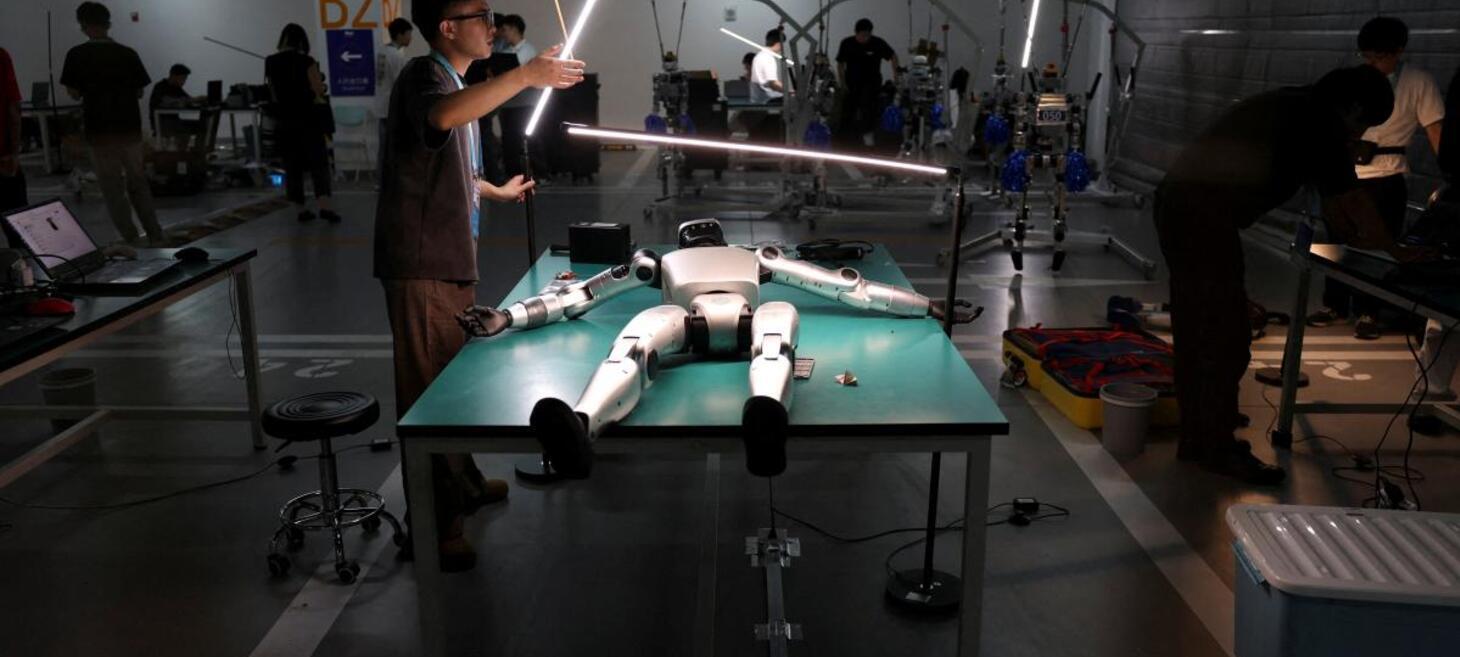
Chinese Robots Could Decide the AI Race
The fastest track and field athlete is no longer the Jamaican sprinter Usain Bolt. In fact, it is not a person at all: it is the Chinese humanoid robot Tiangong Ultra, which in August ran 100 meters in 9.39 seconds, nearly two-tenths of a second faster than Bolt’s world-record time and more than twice as fast as its own time a year ago. The race made global headlines and spread on social media in large part because of what it revealed robots still can’t do—in this case, slow down, as Tiangong Ultra ran right through the finish line and slammed into a safety wall.
But it also showcased the incredible progress China’s robotics industry has made and the narrowing gap between human capabilities and new technology.

Gemini 4 Argon for Robotics
Gemini 4 Argon marks a step change in physical understanding, code generation, and visual-semantic reasoning—unlocking new workflows across the robotics stack and accelerating progress toward physical AGI.
Four-Legged, AI-Powered Robots Are Now Working at Pittsburgh International Airport
Up to four of the autonomous bots — one of which has already been introduced —will monitor air quality and help keep the airport clean
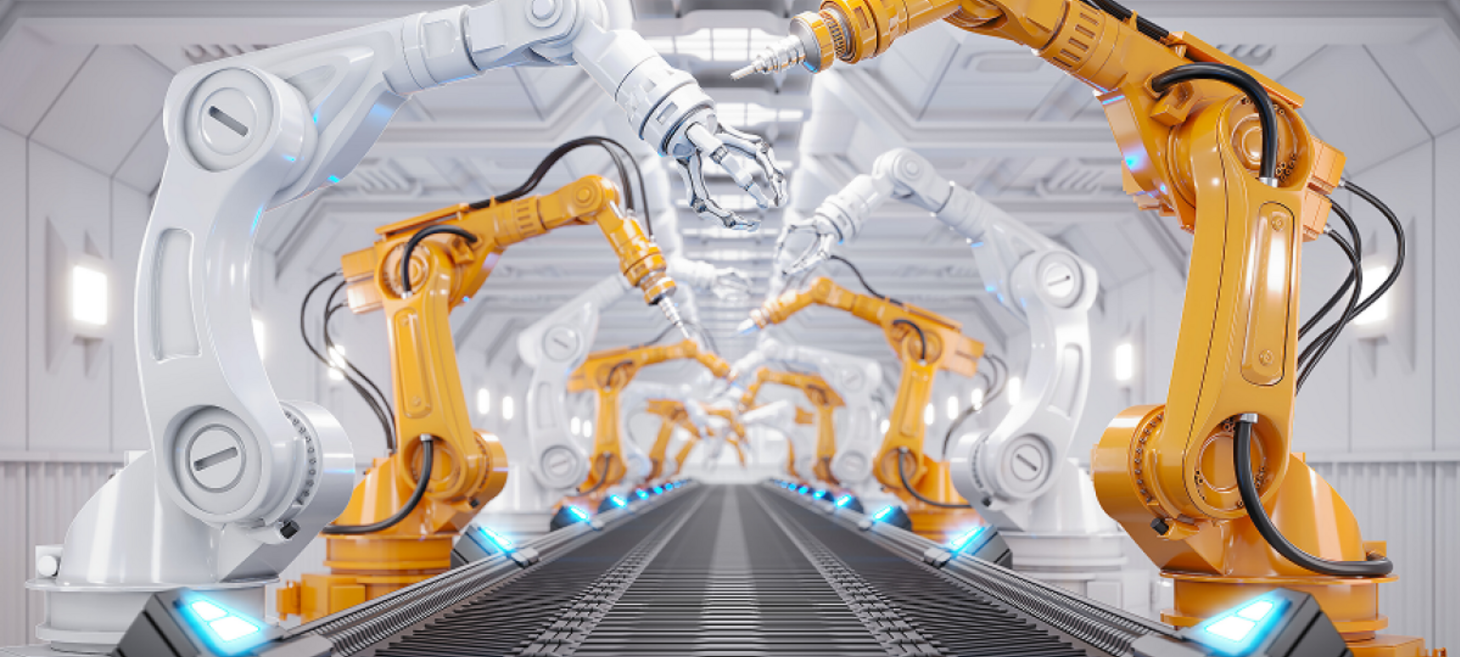
Robotics: The next big frontier in AI
The term “physical AI” refers to AI that doesn’t just predict or recommend, but also takes action in the physical world by powering robots, vehicles and industrial machinery.
To help you think through the state of robotics today, the outlook when it comes to overcoming current constraints and where value may accrue for investors, here are five signals we are watching: the size of the opportunity; the geopolitics of manufacturing; the progression of robots’ autonomy; the engineering; and the potential constraints on widespread adoption.
Innovation
Tiny robots speed medicine through body to the heart
Wireless magnetic millirobots the size of a pencil tip could one day replace open-heart surgery and ineffective drug therapy
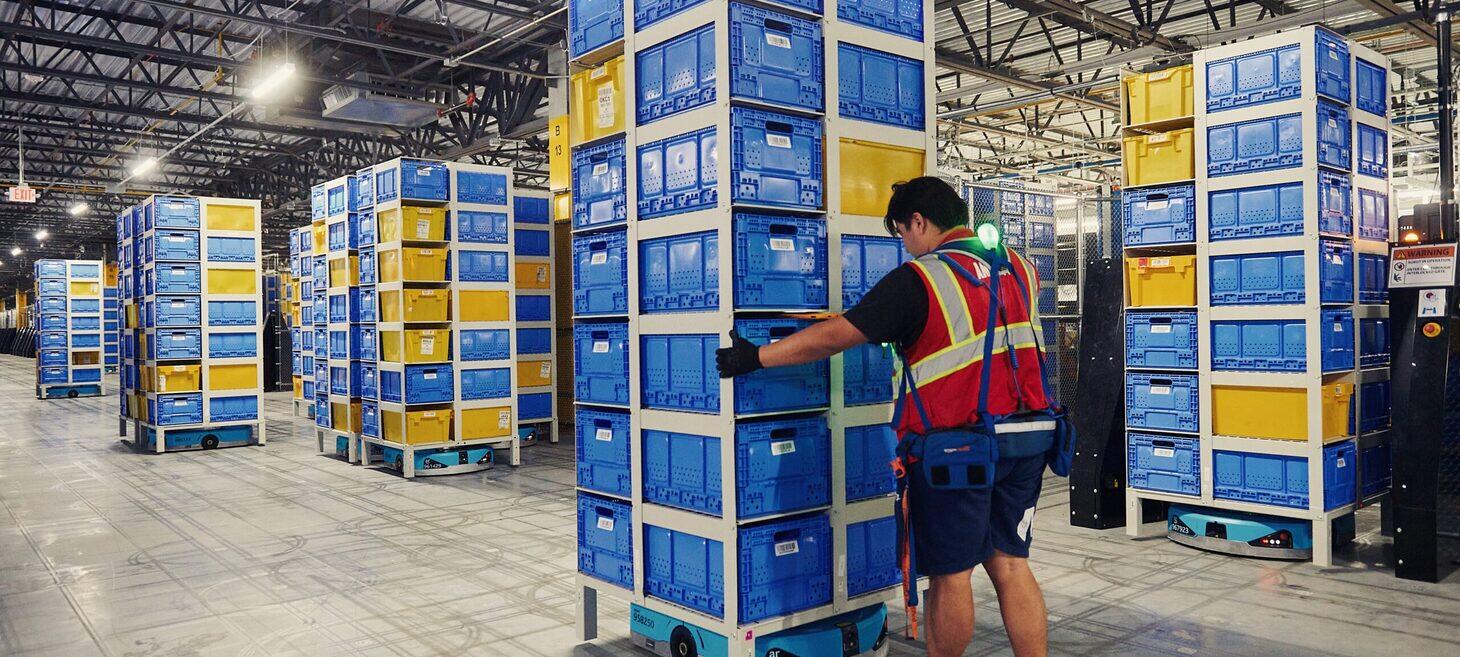
Amazon has over 1 million robot workers. What’s next for human employees?
No organization in the world operates more robots than Amazon. The company already has more than 1 million robots working in warehouses around the clock to make tens of millions of same-day and one-day package deliveries happen on a daily basis—and Amazon is poised to significantly grow that robotic fleet in the coming years as it establishes new factories to churn out increasingly more capable robot workers.
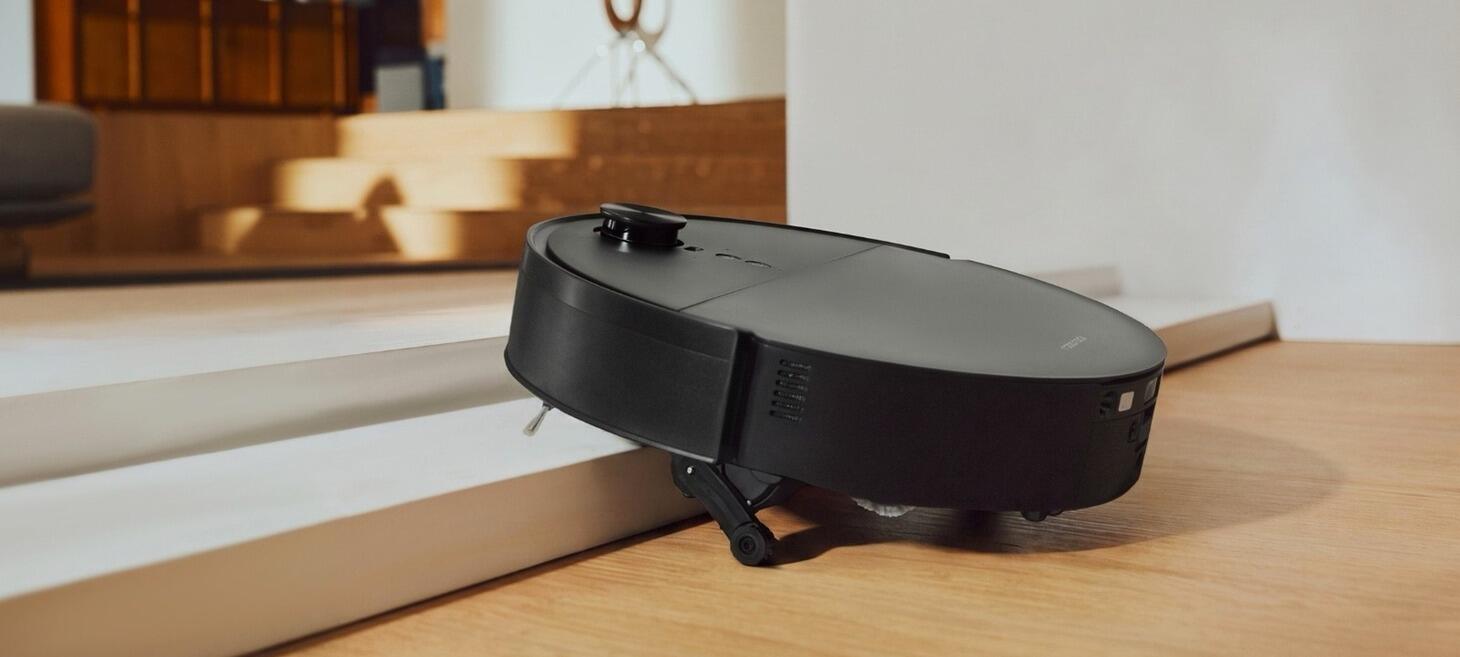
Roborock's New Robots Are More Powerful Than Ever
Following the introduction of a stair-climbing robot vacuum concept at CES 2026, Roborock brought a more conservative lineup of cleaning robots to IFA 2026. Starting with the more traditional offerings, Roborock has new options for the Saros 20 robot vacuum, with the Saros 20 Flow Complete and Saros 20 Neo. In addition to these models, there also new options for the wet dry vacuum accessories with the F25 series, and, for the first time, Roborock takes on pools with the RockAqua P1. Rounding out the introductions is the new RockNeo Q2 LiDAR lawnmower.
Technology
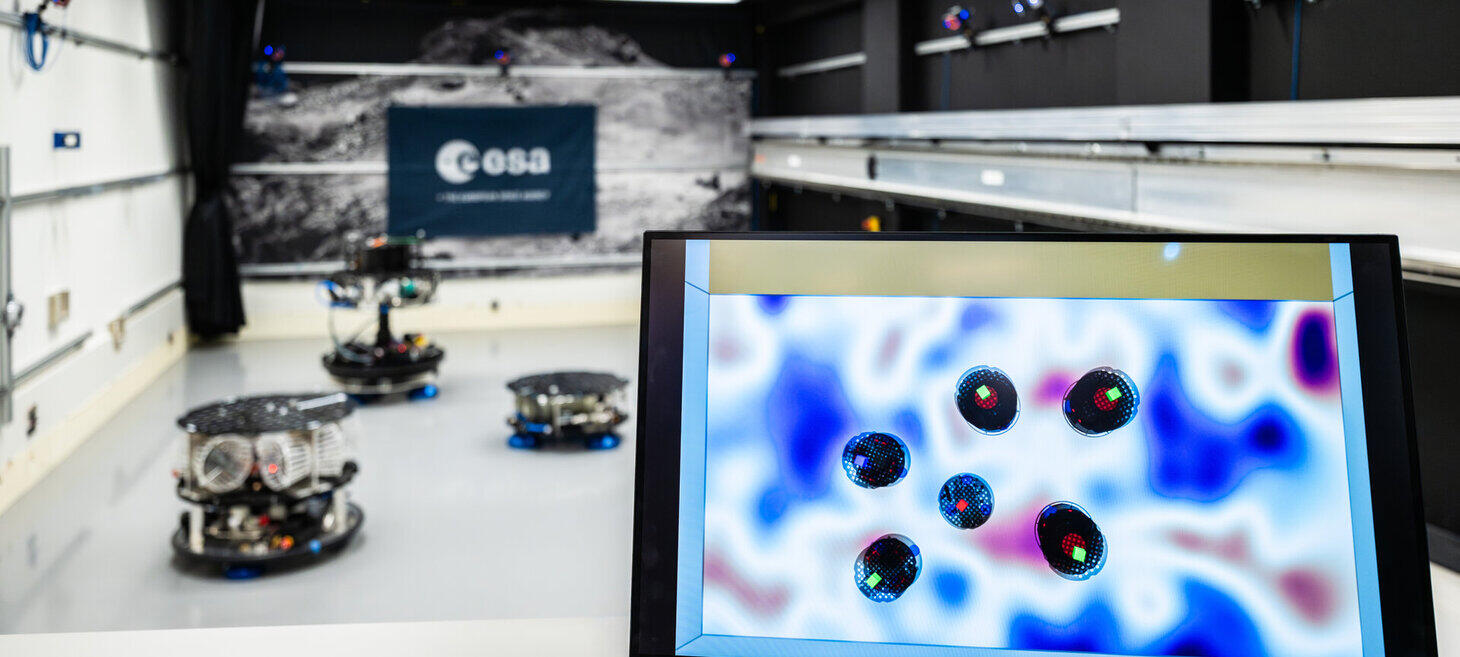
Swarming robots to tackle space debris
Resembling a brightly coloured artwork, a virtual environment software replicates the real-life setup shown right behind the screen – a group of robotic platforms hovering over an extremely flat floor. While the real setup includes only three objects, the screen displays three more virtual ones alongside them.
Skild AI's four-legged robots start patrolling Pittsburgh airport
Pittsburgh International Airport is deploying up to four autonomous, four-legged robots to help staff keep its terminals clean and safe, according to a September 29 release from Blue Sky News, the airport's news service. One robot is already roaming the terminal, with the rest rolling out in phases.
Research
Robots can handle a third of physical jobs — but not yet cost-effectively: Anthropic
About 300,000 jobs are exposed today; 2.8 million could be at risk in seven years, says an analysis by the AI company.

New Mexico schools are using AI to teach and test young children
New Mexico required kindergarten through second-grade students to learn literacy skills from a purple-haired AI avatar called Amira. Parents are pushing back.
Trends

These workers wear GoPros to train robots to do their jobs
Three men stride across a cavernous textile factory floor of Texworth in the southern Indian city of Karur, handing GoPros and smart glasses to workers, including 40-year-old Shoba Kirubakaran. She's packing yellow aprons decorated with chickens into plastic wrapping for the brand Designs By Danica. It's the third time Kirubakaran says she's been told to don a GoPro.
It's recording her every hand gesture, to train AI robots to take over this job — a fact that she says the company did not share with her. NPR informed her when they interviewed her on a recent day. "Nobody told me anything about it," she says.

Hebi Robotics CEO: Humanoids are ‘more cool than practical’
Hebi Robotics CEO Bob Raida on why modular robots that crawl into furnaces, ship hulls and orbit will deliver more value than the humanoids grabbing headlines
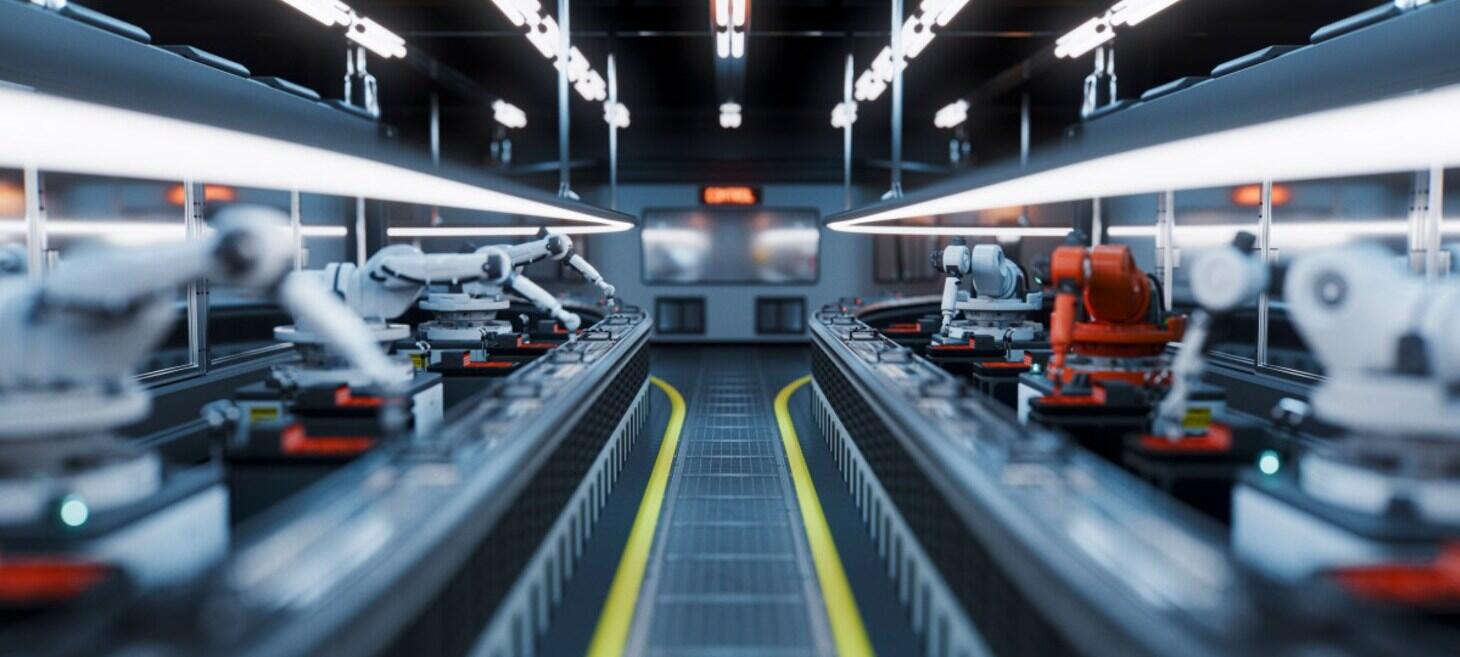
Industrial Next wants factory robots to switch tasks in minutes, not weeks
In most factories, automation is fixed: robots and machines are programmed for one specific task and product. Changing a line means reprogramming and physical retooling, or swapping out equipment, which can take weeks or months. San Francisco-based Industrial Next says it’s changing that.
Europe
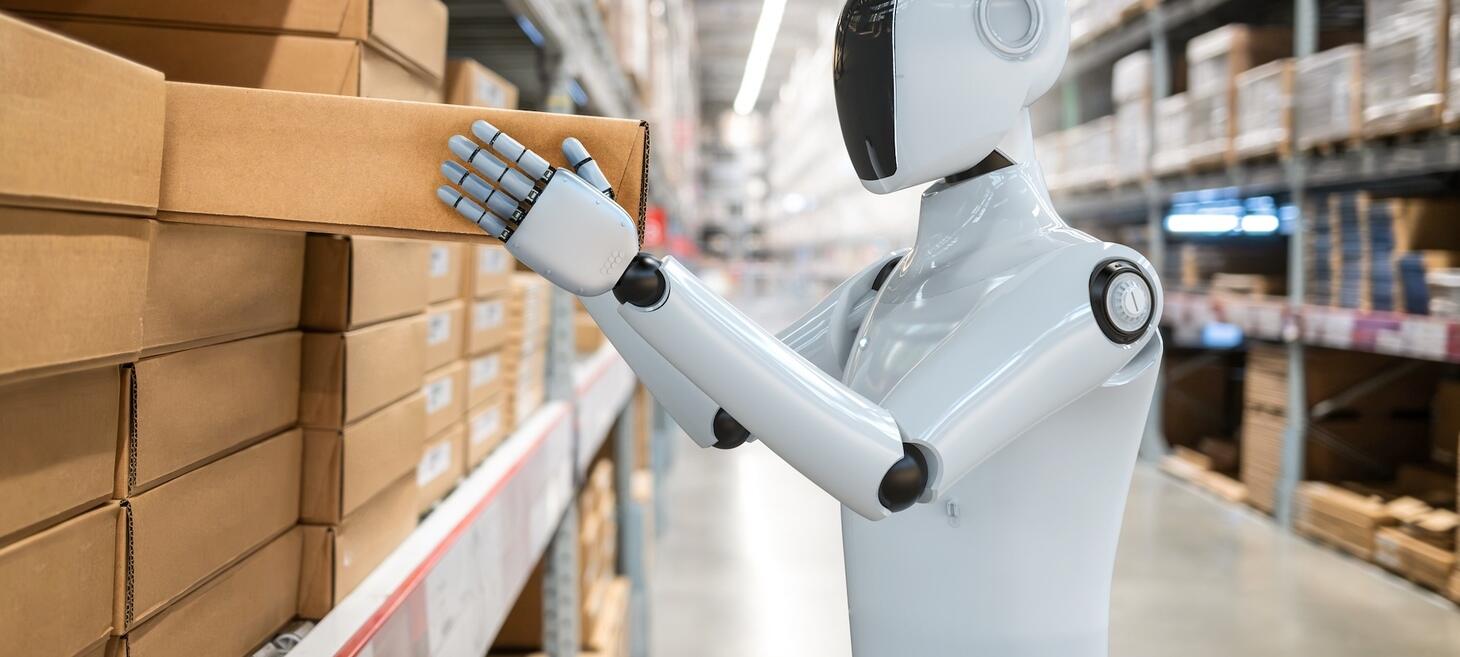
In Denmark, humanoid robots are learning to restock shelves, but only after dark
The robots are still being guided through each step by human operators.
UK launches ‘robot revolution’
Farmers in the United Kingdom who are having trouble finding enough seasonal workers as labor on their farms will be able to tap into new technology to assist them in the future. The UK government has launched a £20 million “robot revolution” for the technology advancement – about US$27 million.
It’s about a decade ago that the UK voted for Brexit and left the European Union. That caused all sorts of visa problems for British farmers employing seasonal labor. In total, there are about 450,000 people employed in agriculture in the UK, with about 60,000 of those working as casual or seasonal labor – mostly from other countries.
Battlefield
Ukraine To Expand Airborne Robot Assaults After Successful Mission
Ukraine executed the first heliborne robotic assault in September, using heavy-lift drones to drop combat robots behind Russian lines as part of Operation Vivaldi. Existing uncrewed ground vehicles were too heavy for multicopters, so the “Alter Ego” battalion built the compact Desantnyk UGV with support from Brave1. The remote-controlled robots were deployed ten kilometers behind enemy lines to attack personnel near Russian command centers using HFM-1600 antipersonnel mines. Although the operation suffered a twenty percent loss rate, the unit is scaling up its efforts as other units request collaboration and training.